


A boiler heats water and moves it through radiators, baseboards, or in-floor loops, while a furnace heats air and blows it through ductwork. Boilers deliver steady radiant warmth and tend to last longer; furnaces usually cost less to install and share their ducts with central air conditioning. For an older Berks County home that already has radiators, a boiler often makes the most sense. For a home with ductwork or a need for cooling, a furnace is usually the practical pick.
Below we break down how each system works, what they cost to buy and run, how long they last, and which one fits the housing stock around Shoemakersville and the rest of Berks County. If you are weighing a replacement, this should help you walk into the decision informed.
The two systems solve the same problem - keeping your house warm - in very different ways. A boiler is a wet heat system: it warms water and circulates it. A furnace is a forced-air system: it warms air and pushes it. That single difference drives everything else, from the comfort you feel to whether the system can share equipment with your air conditioning. Here is how they stack up side by side.
| Feature | Boiler | Furnace |
|---|---|---|
| How it heats | Heats water | Heats air |
| Distribution | Radiators, baseboards, or in-floor loops | Ductwork and supply vents |
| Typical lifespan | About 15 to 25 years | About 15 to 20 years |
| Efficiency | Standard and high-efficiency (condensing) models available | Standard and high-efficiency (condensing) models available |
| Comfort feel | Steady, even radiant warmth | Faster warm-up, occasional temperature swings |
| Air quality | No ducts means less dust and allergens circulated | Moving air can stir dust unless filters stay clean |
| Maintenance | Check pressure, circulator, and controls; bleed radiators | Change filters regularly; inspect burner, ignitor, and blower |
| Central AC compatibility | Needs a separate system or ductless cooling | Shares ductwork with central air conditioning |
A boiler burns gas or oil (or, less commonly, runs on electricity) to heat water in a sealed vessel. A circulator pump pushes that hot water out through a network of pipes to the radiators, baseboard units, or in-floor tubing in each room. The metal or the floor warms up and radiates heat into the space, and the cooled water returns to the boiler to be reheated. Because the heat comes off warm surfaces rather than a blast of air, boiler heat feels steady and gentle, and it does not blow dust around the room.
Many boiler systems are zoned, meaning different parts of the house have their own thermostats and can be heated independently. That is a real advantage in a larger or multi-story home where the upstairs and downstairs never seem to agree. Boilers have relatively few moving parts, which is part of why a well-maintained unit can run for decades. When one does reach the end of its life, high-efficiency condensing models such as Navien can replace it while cutting fuel use. We handle boiler installation and replacement sized to your home and radiator load.
A furnace heats air instead of water. It burns gas or oil in a combustion chamber, and a heat exchanger transfers that warmth to air pulled in from your home. A blower motor then pushes the heated air through the supply ducts and out the vents in each room, while cold-air returns pull room air back to be reheated. The whole cycle happens quickly, so a furnace warms a cold house faster than a boiler does, though you may notice the temperature rise and fall a bit as it cycles on and off.
The big practical advantage of a furnace is its ductwork. Those same ducts carry cooled air in the summer, so a furnace pairs naturally with central air conditioning on one shared distribution system. Furnaces do rely on a clean air filter to run well; a clogged filter chokes airflow and makes the unit work harder. We install efficient furnaces from names like AirEase, Concord, and Heil, and if yours runs but will not fire up, our guide on a furnace that will not turn on walks through what to check. For a full replacement, see furnace installation.
There are three costs to weigh: what you pay to install the system, what you pay to run it each month, and what it costs to keep it maintained. On installation, a furnace is generally the less expensive of the two to put in, especially when a home already has ductwork. A boiler and its piping, radiators, and circulators tend to carry a higher upfront cost, though replacing an existing boiler in a home already plumbed for hot-water heat is far simpler than building a wet system from scratch.
Monthly running cost depends far more on your fuel and your local rates than on the type of system. In Berks County, a lot of older homes run on heating oil, while newer construction and homes near the gas mains run on natural gas. Oil and gas prices move independently, so which is cheaper to run in a given winter can change. A high-efficiency condensing unit, boiler or furnace, will burn less fuel than an older standard-efficiency model, which is where a lot of the real savings on your bill come from. Many Berks homes still heat with oil, and we perform oil furnace service and cleanings to keep those systems running safely and efficiently.
Maintenance costs are similar for both when you keep up with them. A boiler needs its pressure, circulator, and controls checked and its radiators bled; a furnace needs regular filter changes and a burner, ignitor, and blower inspection. Skipping that upkeep is where surprise repair bills come from. When it is time to replace either system, we offer financing options so a new high-efficiency unit does not have to be a single hit to your budget.
The comfort difference is the one people notice first after a changeover. Boiler heat is radiant and even: the radiators or floors stay warm and give off a consistent, quiet heat with no drafts. There is no fan noise and no rush of air, which many homeowners find more comfortable, especially at night. The trade-off is that a boiler is slower to bring a cold room up to temperature, and it does nothing for humidity control.
A furnace warms a room quickly and moves air, which can feel drafty when a vent is nearby and can leave warm and cool spots as the system cycles. That moving air is also the main air-quality consideration. Ductwork can collect and recirculate dust, pet dander, and allergens if the filter is dirty or the ducts are neglected, so a furnace household benefits from staying on top of filter changes and from add-ons like better filtration. A boiler, by contrast, moves no air at all, so it does not stir up household dust in the first place. If anyone in the home has allergies or asthma, that difference is worth weighing.
Yes, but it is a real project rather than a simple swap, because the two systems distribute heat in completely different ways. Going from a furnace to a boiler means installing radiators or baseboard loops and running water piping throughout the house. Going from a boiler to a furnace means installing a full network of supply and return ductwork, which takes space in walls, ceilings, or floors that an older home may not easily give up. Neither is a same-day job, and the cost reflects the amount of new distribution being built.
A more common change we see in Berks County is a fuel change rather than a system change - for example, a homeowner moving off oil heat and onto natural gas when a gas main becomes available on their street. That kind of oil-to-gas conversion keeps your existing distribution where possible while swapping the heat source, and it is worth a conversation about what your specific home allows. For a lot of homeowners, the better move is not switching system types at all but replacing an aging unit with a modern high-efficiency version of what they already have, which captures most of the fuel savings without rebuilding the whole house. We will lay out the honest trade-offs for your situation before you commit to anything.
Berks County has a lot of old housing stock: stone farmhouses out in the townships, brick rowhomes in the boroughs, and century-old homes that were built around cast-iron radiators long before central air was a thought. If your home already has hot-water heat and radiators, the practical answer is almost always to stay with a boiler. The distribution is already in place, radiant heat suits these solid old houses well, and a modern high-efficiency boiler drops right into the existing piping. Towns like Topton are full of homes like this, where hot-water heat is the norm rather than the exception.
A furnace makes more sense in a home that already has ductwork, a newer build, or a house where you want central air conditioning on a single shared system. If you are not sure which camp your home falls into, that is exactly the kind of question we answer on a service call. If your current boiler is limping along, boiler repair may buy you years before you have to decide at all.
Choosing between a boiler and a furnace comes down to your home, your ductwork, and your budget - and there is no substitute for having someone look at what you already have. DeLong & Sons HVAC is a family-owned company in Shoemakersville, serving homeowners across Berks County for over 15 years. Call us and we will help you weigh a repair, a replacement, or a switch, with upfront pricing and honest recommendations. Book online through Housecall Pro or read more heating guides on our blog.
DeLong & Sons HVAC
403 Franklin St, Shoemakersville, PA 19555
Monday - Friday, 7 AM - 6 PM
Phone: 484-638-2837
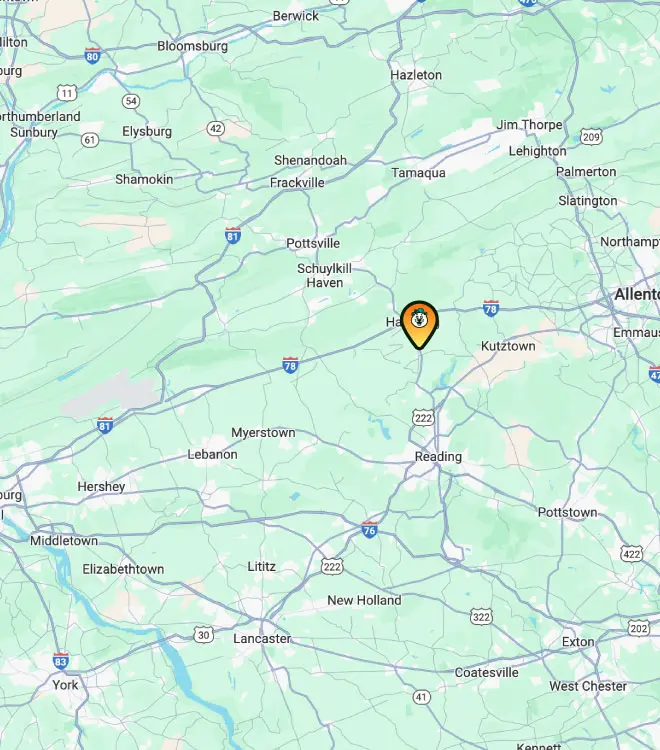
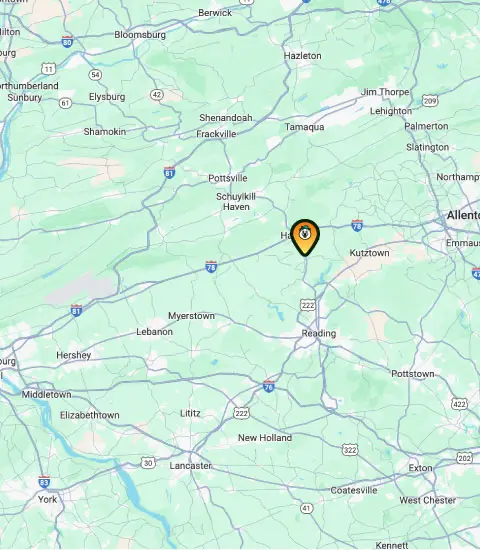
Contact UsLet Our Family Take Care of Your Family! We have over 15 years of experience serving our neighbors in Shoemakersville and Berks County Pennsylvania. We also serve communities across Berks, Lebanon, and Lehigh Counties, including:

© Red Barn Media Group 2026