


If your furnace will not turn on, the cause is usually simple. Start with the thermostat - confirm it is set to heat and the batteries are fresh. Then look at the furnace power switch, the breaker, and the air filter. A dead thermostat battery, a tripped breaker, a clogged filter, or a failed ignitor account for most no-heat calls. Work through the eight checks below before you call, and you may fix it yourself in minutes.
In a Berks County winter, a furnace that quits on a single-digit morning is not something to sit on, but it is also not always a service call. This guide from DeLong & Sons HVAC walks you through the checks a technician runs first, so you know which problems you can solve yourself and which mean it is time to call a professional. For more troubleshooting, browse our HVAC blog.
The thermostat is the brain of your heating system, and it is the most common reason a furnace will not turn on. Start here before you touch anything else. Set the mode to Heat, not Cool or Off, and raise the target temperature five degrees above the current room reading so the system has a clear call for heat. If the screen is blank or dim, the batteries are dead - swap in fresh ones, since a low battery can leave the display lit while cutting the signal to the furnace. Check that a schedule or hold setting is not keeping the temperature low, and make sure no one bumped it into a program mode. A working thermostat should click and begin a heating cycle within a minute.
Most furnaces have a standard on/off switch mounted on or near the unit that looks exactly like an ordinary light switch. It is easy for a family member, a cleaning crew, or anyone working in the basement to flip it off by mistake, and a furnace with no power will not respond to the thermostat at all. Find the switch - it is usually on the furnace housing or on a nearby wall or joist - and confirm it is in the On position. The switch plate is often unmarked, which is exactly why it gets bumped so often. If you are not sure which switch it is, follow the electrical conduit running to the furnace. Turn it on, give the furnace a minute to run through its startup sequence, and if it fires you have found the problem.
If the power switch was already on, head to your electrical panel. A furnace runs on its own circuit, and a tripped breaker will cut all power to it. Look for a breaker labeled furnace, heater, or HVAC that has moved to the middle or off position, out of line with the others. To reset it, push it fully to Off first, then firmly back to On - simply nudging it toward On often will not re-engage the contacts. Give the furnace a minute to restart. If the breaker holds, you are back in business. If it trips again right away, stop. A breaker that keeps tripping is protecting you from a short, an overloaded blower motor, or another electrical fault, and repeatedly resetting it is a fire risk. That is the point to call for furnace repair.
A dirty air filter is one of the most overlooked causes of a furnace that will not run. As the filter loads up with dust, airflow across the heat exchanger drops, the furnace overheats, and a high-limit safety switch shuts it down to prevent damage. Once that limit trips, the furnace may refuse to fire until it cools and airflow is restored. Pull your filter and hold it up to a light. If you cannot see through it, replace it with a new one of the same size, matching the arrow on the frame to the direction of airflow. Most homes need a fresh filter every one to three months during heating season, more often with pets or a dusty house. A clean filter clears this fault, lowers your energy bill, and helps the whole system last longer.
High-efficiency furnaces produce water as they burn fuel, and that condensate drains out through a small line or a condensate pump. If the drain line clogs with sludge or the pump fails, water backs up and a float safety switch shuts the furnace off to keep it from flooding. This is a common no-start cause on newer 90-plus-percent efficiency units. Look for a small plastic float switch on the drain line or the pump reservoir, and check whether the pan or reservoir is full of water. If it is, the drain is blocked. You can often clear a clogged line by removing and flushing it, and emptying a stuck pump reservoir will reset the float. If the pump motor is dead or the clog is deep in the line, you will need a technician. Once the water clears and the float drops, the furnace should start again.
For a gas furnace, no fuel means no heat. First, the safety rule: if you smell gas - a rotten-egg or sulfur odor - do not touch any switches. Leave the house and call your gas utility from outside. Do not try to relight anything yourself. If there is no gas smell, check that the gas shutoff valve on the supply line is open, running parallel with the pipe, and confirm other gas appliances like your stove are working. Older furnaces have a standing pilot light that can blow out; follow the manufacturer's relighting instructions printed on the unit if you are comfortable doing so. Newer furnaces use an electronic hot-surface or spark ignitor instead of a pilot, and those parts wear out and fail. A cracked or burned-out ignitor is a repair, not something to force - call a technician to replace it safely.
A furnace needs clear airflow to run, and blocked vents can shut it down two ways. Inside, closing off too many supply or return registers starves the system and can trip the same high-limit switch a dirty filter does. Walk the house and open any registers that were closed off, and make sure furniture or rugs are not covering the returns. Outside, high-efficiency furnaces vent through PVC pipes that exit a sidewall or the roof, and those pipes can get blocked by snow drifts, ice, leaves, or a bird or rodent nest. A blocked exhaust triggers the pressure switch and locks the furnace out. After a Berks County snowstorm, clear any snow piled around the vent terminations. If the pipes are clear and the registers are open but the furnace still will not run, the fault is inside the unit.
If you have worked through the checks above and everything looks right, you can try one reset. Turn the furnace off at its power switch, wait about 30 seconds, and turn it back on. This clears a one-time lockout, the same way restarting a frozen computer clears a glitch. Give the furnace a full minute to run its startup sequence, and listen for the ignitor to glow and the burners to light. Here is the important part: reset it once, and only once. If the furnace fires and runs, you are set. If it locks out again, do not keep flipping the switch. Every failed ignition cycle on a gas furnace releases a small amount of unburned gas into the combustion chamber, and repeated resets let it accumulate. A furnace that will not hold a reset is telling you a real part has failed. That is your cue to call a professional.
Homeowner checks solve a lot of no-heat calls, but some symptoms mean the problem is past a filter or a flipped switch. Stop and call a technician if you run into any of these:
A clicking-but-no-start furnace usually has a worn ignitor, a dirty flame sensor, or a gas supply fault - parts that need testing and replacement, not another reset. A breaker that keeps tripping points to an electrical fault that is unsafe to keep forcing. And repeated lockouts mean a safety control is doing its job because something is genuinely wrong.
This is where our team comes in. We provide furnace repair and diagnostics for homes across Berks County, tracking down the fault instead of guessing at parts, and explaining what we find with upfront pricing before any work starts. If it is cold and you cannot wait, we offer same-day HVAC repair when you call before 6 PM on a weekday, with after-hours emergency service available for an additional fee. A quick diagnosis is safer, and usually cheaper, than the damage repeated resets can cause.
Most no-heat calls trace back to something a fall tune-up would have caught. The single best way to avoid a furnace that will not start on the coldest morning of the year is a professional inspection before heating season begins. During annual furnace maintenance, a technician cleans or replaces the flame sensor, tests the ignitor before it fails, checks the gas pressure and safety switches, clears the condensate drain, and confirms the blower and airflow are moving as they should. Catching a weak ignitor in October is a cheap planned visit; discovering it in January is an emergency call. Changing your filter every one to three months does the rest. If you would rather not track the schedule yourself, our maintenance plans bundle the seasonal tune-ups and add priority scheduling when the calls stack up in a Berks County cold snap.
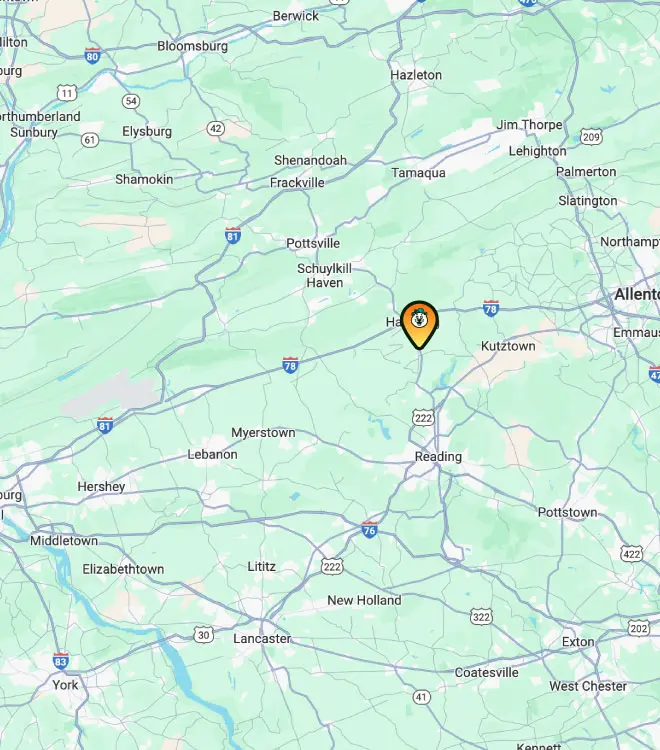
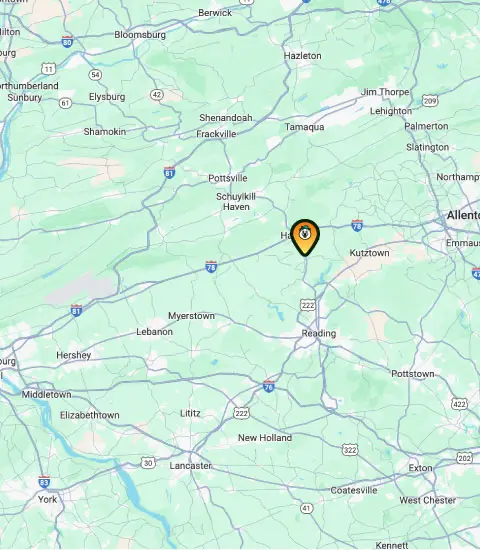
When your furnace will not turn on and the checks above have not fixed it, call the local crew that knows Berks County winters. DeLong & Sons HVAC is a family-owned company based in Shoemakersville, serving Shoemakersville, Reading, and homes across Berks County. Call before 6 PM on a weekday and we will work to get a technician to your door the same day, with after-hours emergency service available for an additional fee.
DeLong & Sons HVAC
403 Franklin St, Shoemakersville, PA 19555
Monday - Friday, 7 AM - 6 PM
Phone: 484-638-2837
Contact UsLet Our Family Take Care of Your Family! We have over 15 years of experience serving our neighbors in Shoemakersville and Berks County Pennsylvania. We also serve communities across Berks, Lebanon, and Lehigh Counties, including:

© Red Barn Media Group 2026