



A tank water heater stores 40 to 50 gallons of hot water and costs less to buy and install, but it can run out during heavy use and lasts roughly 8 to 12 years. A tankless water heater heats water on demand, never runs dry, uses less energy, and lasts around 20 years, though it costs more up front. For most homes the right choice comes down to household size, budget, and how hard your water is.
Both types do the same job - deliver hot water to your showers, sinks, dishwasher, and laundry - but they go about it in very different ways. Below is a side-by-side breakdown, followed by how each one works, what they actually cost to buy and run, and the one local factor that trips up a lot of Berks County homeowners: hard water.
Here is how the two stack up on the factors that matter most. The cost figures below are typical ranges for equipment and professional installation; your exact price depends on the model, your home's plumbing and gas or electrical setup, and the size you need.
| Factor | Storage Tank | Tankless (On-Demand) |
|---|---|---|
| Upfront cost | Lower - the unit itself costs less and installation is usually a straightforward swap | Higher - the unit costs more, and installation often adds gas-line, venting, or electrical upgrades |
| Lifespan | About 8 to 12 years | Around 20 years |
| Energy use | Heats and reheats a full tank continuously to keep it hot, so it uses energy even when no one is drawing water (standby loss) | Only fires when you open a hot tap, so there is no standby loss and it typically uses less energy overall |
| Hot-water supply | Limited to the tank's capacity - once you drain 40 to 50 gallons, you wait for it to reheat | Endless within its flow rate, so it will not run out, though a single unit can be stretched if several fixtures run at once |
| Space | Bulky floor-standing cylinder that takes up a corner of the basement or utility closet | Compact wall-mounted unit that frees up floor space |
| Maintenance | Flush the tank yearly to clear sediment; simpler to service | Descale yearly - more often with hard water - to keep the heat exchanger clear |
A storage tank water heater is the type most people picture. It holds 40 to 50 gallons in an insulated cylinder and keeps that water hot all day, using a gas burner or electric elements, so it is ready the moment you turn on a tap. The trade-off is that it burns energy keeping the tank warm even when no one is home, and once you use up the stored water during back-to-back showers, you have to wait 30 to 60 minutes for it to recover. Our Bradford White tank water heaters are a dependable, budget-friendly pick for households that rarely run the tank dry.
A tankless water heater takes the opposite approach. There is no stored water at all. When you open a hot tap, cold water flows through the unit and a powerful gas burner or electric element heats it instantly as it passes through. When you close the tap, it shuts off. That means no standby loss and no running out mid-shower, because the unit keeps producing hot water for as long as you need it. The catch is flow rate: one unit can only heat so many gallons per minute, so running two showers and the dishwasher at the same time can outpace a single small model. Sizing it correctly to your household is the key. Our Navien tankless systems are sized to match your peak demand so the hot water keeps up.
Cost is usually the deciding factor, so it helps to separate the three parts: what you pay for the unit, what you pay to install it, and what it costs to run over its life.
Buying. A storage tank unit carries a lower purchase price. A tankless unit costs more because the technology and the burner are more advanced. That is the single biggest reason tank heaters stay popular: the sticker price is lower.
Installing. Installation adds less to a tank job than to a tankless one. Tankless costs more to install because switching from a tank often means upsizing the gas line, adding venting, or upgrading electrical to handle the higher on-demand load. The gap narrows when you are replacing an existing tankless unit like-for-like, since that infrastructure is already in place.
Running. This is where tankless closes the gap over time. Because it does not reheat a standing tank all day, it avoids standby loss and generally uses less energy month to month. Pair that with a lifespan of about 20 years versus 8 to 12 for a tank, and a tankless unit you keep long-term can offset a good part of its higher upfront cost. The longer you stay in the home, the more that math favors tankless. Whichever direction you lean, we give you upfront pricing before any work starts, so there are no surprises once the job is done.
There is one local factor that changes the tankless math around here: our water is hard. A lot of Berks County sits on limestone, and both municipal supplies and private wells tend to carry a heavy load of dissolved minerals. Hard water is the enemy of a tankless heat exchanger, because the minerals bake onto the hot internal passages as scale, choke the flow, and drag down efficiency over time.
That does not rule out tankless - plenty of local homes run one happily - but it does mean you need to plan for annual descaling to keep the unit healthy, and more often if your water is especially hard. A water softener or treatment system feeding the heater cuts that maintenance down and protects the equipment. If your home is on a private well, water hardness and sediment tie directly into pump and pressure performance too; see our well pump service for the township homes that depend on well water. For softening, filtration, and the rest of the water side of the house, our plumbing services can sort out what your water actually needs before you commit to a heater.
The right answer depends on your household more than on which technology is newer. A few common scenarios:
If you are somewhere in the middle, that is exactly the conversation we have every week. We will look at your household size, your hot-water habits, your water hardness, and your gas or electrical setup, then lay out both paths honestly and let the numbers make the case. Homeowners in Emmaus and across Berks County call us for both installs, and there is no single answer that fits every house.
Still not sure which way to go? That is what we are here for. DeLong & Sons HVAC is a family-owned crew in Shoemakersville with over 15 years of experience installing and servicing both tank and tankless water heaters across Berks County. Call before 6 PM on a weekday and we will work to get out the same day, with upfront pricing and no pressure. Read more on the DeLong & Sons blog.
DeLong & Sons HVAC
403 Franklin St, Shoemakersville, PA 19555
Monday - Friday, 7 AM - 6 PM
Phone: 484-638-2837
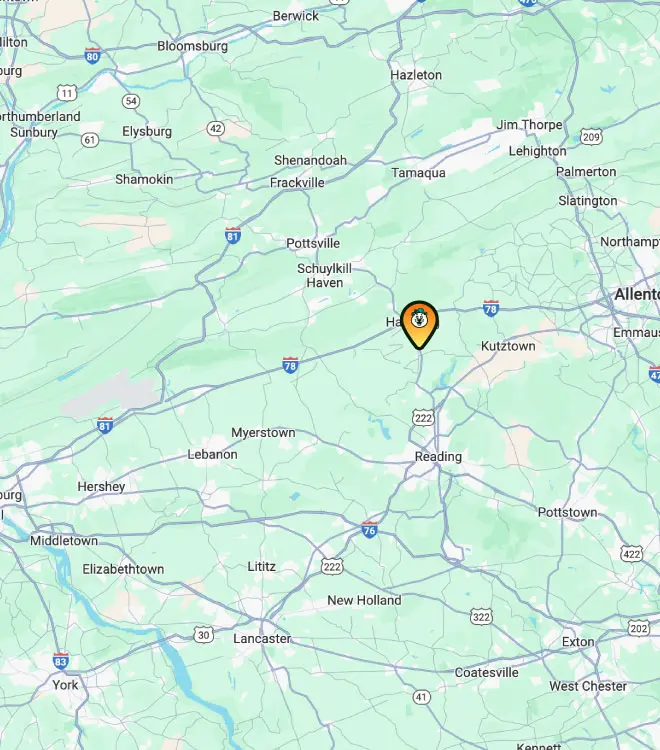
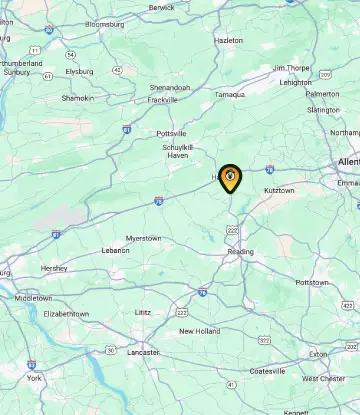
Contact UsLet Our Family Take Care of Your Family! We have over 15 years of experience serving our neighbors in Shoemakersville and Berks County Pennsylvania. We also serve communities across Berks, Lebanon, and Lehigh Counties, including:

© Red Barn Media Group 2026