







A whole-home standby generator typically costs $8,000 to $16,000 installed, which is Generac's published typical range for a finished job. That total usually splits into the generator itself, at roughly $3,000 to $10,000 depending on size, plus $2,000 to $5,500 for the installation labor, the automatic transfer switch, the pad, and the electrical and fuel connections. Averages can land lower on smaller jobs: Angi's 2026 data reports a whole-house generator average near $5,162. The right number for your home depends on the size you need and how much electrical and gas work the site requires. Below, we break those costs down by generator size, walk through what is inside the installation price, and cover what a standby unit costs to run once it is on the pad.
DeLong & Sons HVAC is a family-owned shop in Shoemakersville with over 15 years of experience, and we install Generac standby generators for homes across Berks County. Storms rolling off the ridges take the power with them often enough that backup has stopped being a luxury out here. This guide gives you honest numbers before you ever pick up the phone. When you are ready for a figure specific to your home, we give upfront pricing after a site visit.
Standby generators are sold by output, measured in kilowatts (kW). A bigger number means the unit can power more of your home at once, and it also costs more to buy and to wire in. The table below groups the common residential sizes into three classes and shows where each one lands inside the harvested price ranges, along with what that size typically keeps running during an outage.
| Generator size | Typical unit price | Typical installed price | What it typically runs |
|---|---|---|---|
| 10 to 14 kW Essential circuits |
Lower end of $3,000 to $10,000 | Lower end of $8,000 to $16,000 | Furnace or boiler, sump pump, well pump, refrigerator, and select lights and outlets |
| 18 to 24 kW Whole-home |
Middle of $3,000 to $10,000 | Middle of $8,000 to $16,000 | Most of a typical home at once, including central air or a heat pump |
| 26 kW and up Large homes |
Upper end of $3,000 to $10,000 | Upper end of $8,000 to $16,000 | A large or all-electric home, multiple cooling zones, electric range and dryer |
Unit prices span roughly $3,000 to $10,000 across the sizes, and installation adds about $2,000 to $5,500 on top, which is how the finished job lands in that $8,000 to $16,000 window per Generac. Angi's 2026 figures put the average whole-house install near $5,162, a reminder that smaller, essential-circuit jobs can come in well under the top of the range. A load calculation is what pins down your size, because a home with a well pump, central AC, and an electric water heater draws far more than one with gas heat and hot water.
The sticker price on the generator is only part of the job. A permanently installed standby unit is a piece of fixed electrical and fuel infrastructure, and most of the labor cost is in tying it safely into your home. Here is where the installation dollars go:
The single biggest swing factor is the distance and complexity between the generator, the gas supply, and the electrical panel. A short run with the meter and panel close together keeps labor down. A long gas line, a panel upgrade, or a propane tank all push the total toward the upper end of the range. That is why an honest quote comes after a site visit and not off a price list.
Once the generator is installed, the ongoing cost is modest and comes in three parts: fuel, the weekly self-test, and annual maintenance.
Fuel. A standby generator only burns fuel while it is carrying your home during an outage, and the burn scales with how much load it is running. Backing up the whole house through central air uses noticeably more fuel than running just the furnace, well pump, and refrigerator. On natural gas, the fuel simply shows up on your normal gas bill for the hours you were running. Propane owners buy tank fills, so a long outage means watching the tank level.
The weekly self-test. Standby units are built to exercise themselves on a schedule, usually a short weekly cycle that runs the engine for a few minutes to keep it ready. It uses a small amount of fuel and is part of owning the system.
Annual maintenance. Like any engine, a generator needs oil changes, filter checks, and a battery test to stay reliable, and that upkeep is what makes it actually start on the night you need it. We can fold your generator into a regular maintenance schedule alongside your heating and cooling equipment, so one shop keeps all of it running instead of you juggling separate providers.
Whether a standby generator pays off depends on what an outage actually costs you, and for a lot of Berks County homes the answer adds up quickly. The value shows up most in the systems you cannot afford to lose when the grid goes down:
That well-pump angle carries extra weight out in the rural townships around Shoemakersville, Oley, and the ridges above Hamburg, where a large share of homes draw their water from a private well. When the power drops, those households lose water on top of everything else, which moves a generator from a nice-to-have to genuinely practical. If your home runs on a well, our well pump service and a properly sized standby generator work hand in hand to keep water flowing through the next storm.
Portable generators cost far less up front, and for some households they are the right call. The trade-offs are real, though, and worth understanding before you decide.
A portable generator is a wheeled unit you store in a shed or garage and roll out when the power goes. It runs on gasoline you have to keep on hand, it needs to be started by hand and refueled every several hours, and it has to sit well away from the house because it produces exhaust that is dangerous indoors. It powers a handful of appliances through extension cords or a manual interlock, not your whole home, and it does nothing while you are away or asleep.
A standby generator is permanently installed, wired to your panel through an automatic transfer switch, and fueled by your natural gas line or a propane tank, so there is no gasoline to store or pour. It starts on its own within seconds of an outage, whether you are home or not, and runs for as long as the fuel supply holds. You pay more up front for that hands-off reliability, but for a home with a well, a sump pump, or a family that cannot be caught in the dark, the automatic operation is the whole point.
The advantage of buying your generator from a full-service HVAC shop is simple: one contractor handles both your power and your heat. If a winter ice storm knocks out your boiler and your generator on the same night, you are calling one number, not chasing two companies. We install Generac standby generators sized to a real load calculation, run the electrical and fuel connections, pull the permits, and can add the unit to your ongoing maintenance schedule so it starts when you need it.
See our whole-home generator services for the full scope of what we install, repair, and maintain. And because a standby generator is a real investment, we offer financing to spread the cost out. For more homeowner guides like this one, browse our blog.
When the next storm knocks out power across Berks County, a standby generator keeps your heat, your well pump, and your sump pump running without you lifting a finger. For a firm price on the right size for your home, call DeLong & Sons HVAC. We give upfront pricing after a site visit, and we install and maintain the unit ourselves.
DeLong & Sons HVAC
403 Franklin St, Shoemakersville, PA 19555
Monday - Friday, 7 AM - 6 PM
Phone: 484-638-2837
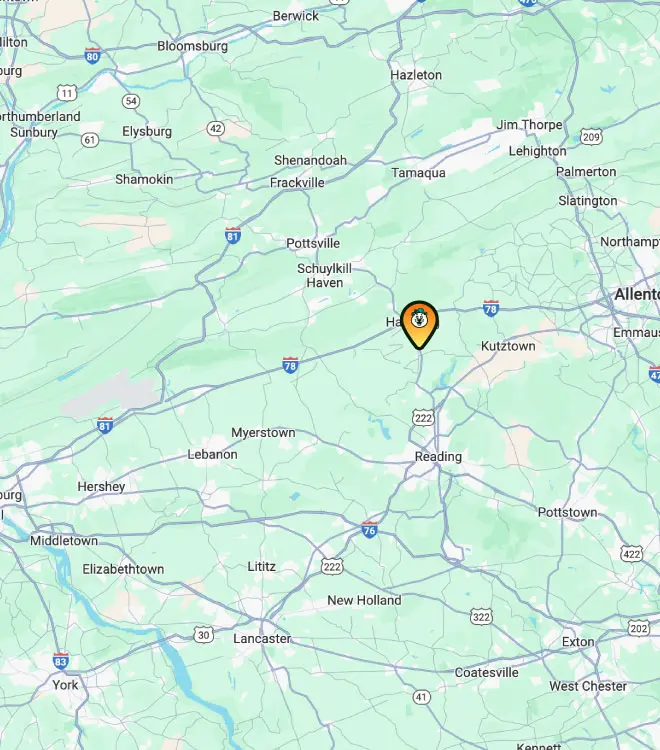
Contact UsLet Our Family Take Care of Your Family! We have over 15 years of experience serving our neighbors in Shoemakersville and Berks County Pennsylvania. We also serve communities across Berks, Lebanon, and Lehigh Counties, including:


© Red Barn Media Group 2026