






In Pennsylvania, a heat pump installation typically runs about $4,238 to $7,941 for a standard air-source system on a home that already has ductwork, based on 2026 industry averages from Angi. Full ducted systems that need new or replaced ductwork usually land between $9,000 and $15,000, and larger whole-home electrification projects that replace fossil heat entirely can reach $17,000 to $30,000. These are industry averages, not quotes. The right number for your house depends on size, system type, and the condition of your existing equipment, so a final price needs a home visit.
Below is a cost table by system type and home size, the factors that push the price up or down, the rebates and tax credits that can bring it back down, what a heat pump costs to run each month, and how we put together a quote at DeLong & Sons HVAC. We install and service heat pumps across Berks County and the Lehigh Valley from our shop in Shoemakersville. This guide is part of our HVAC resource library.
Heat pumps are not one product. An air-source unit bolted to existing ducts is a very different job from a multi-zone ductless system or a geothermal loop buried in the yard, and the price reflects that. The table below groups the common paths by system type and the kind of home each one fits. The dollar ranges are 2026 industry averages, and a couple of the paths depend so heavily on your specific home that an honest range only comes after we measure it.
| System Type | Typical Home | Installed Range (Industry Averages) | Best For |
|---|---|---|---|
| Ducted air-source heat pump | About 2,000 sq ft / 3-bedroom home | $4,238 - $7,941 | Homes that already have working ductwork |
| Full ducted system (new or replaced ductwork) | Whole house | $9,000 - $15,000 | Replacing an aging system or adding ducts |
| Ductless single-zone mini-split | One room, addition, or garage | Quoted after a home visit | Spaces with no ductwork |
| Ductless multi-zone mini-split | Several rooms or a whole floor | Quoted after a home visit | Whole-home comfort without ducts |
| Geothermal heat pump | Whole house, larger lot | Highest upfront; 30% federal tax credit applies | Rural properties, lowest long-term operating cost |
| Whole-home electrification project | Whole house plus electrical upgrades | $17,000 - $30,000 | Replacing fossil heat entirely |
Two rows show "quoted after a home visit" on purpose. Ductless pricing swings with the number of indoor heads, the run lengths, and where the outdoor unit sits, so a made-up figure would only mislead you. Geothermal is the highest upfront cost of any option here because of the ground loop, but it also carries a federal tax credit and the lowest running cost, which is why we quote it as a package rather than a sticker price. See our geothermal installation page for how that system works.
Two houses on the same street can get very different quotes. Here is what moves the number, in the order it usually matters:
A heat pump is sized in tons of heating and cooling capacity, and that capacity is matched to your square footage, insulation, windows, and layout. A larger or leakier home needs more tonnage, and a bigger unit costs more. Bigger is not automatically better, though. An oversized heat pump short-cycles, wears out faster, and leaves rooms humid, so the goal is the right size, not the biggest one.
If your home already has sound ductwork, a ducted heat pump reuses it and keeps the job simpler. If you have no ducts, or the existing ducts are undersized and leaky, ductless mini-splits often make more sense than tearing open walls to run new trunk lines. Each path has a different labor and equipment profile, which is a big reason the ranges in the table above spread so wide.
Reusing ducts only saves money if the ducts are in good shape. Crushed, disconnected, or badly leaking ductwork robs a new heat pump of the airflow it needs, so part of the quote is inspecting what you already have and sealing or repairing it where needed. Skipping that step is how a new system ends up underperforming from day one.
Heat pumps run on electricity, and some older Berks County homes have panels that are already full or undersized for the added load. If your panel needs a new circuit, a subpanel, or a service upgrade to handle the equipment safely, that work adds to the total. We check the panel during the site visit so there are no surprises after the equipment is on order.
Pennsylvania winters call for a cold-climate rated heat pump, which uses a variable-speed compressor to keep producing heat well below freezing. These models cost more upfront than a basic unit built for a mild climate, but in our region they earn it back by carrying more of the heating season on their own instead of leaning on backup heat.
Many local installs pair the heat pump with a backup heat source for the coldest snaps, either electric strip heat or an existing gas or oil furnace in a dual-fuel arrangement. Wiring in a backup, or keeping and integrating the furnace you already own, changes both the equipment list and the labor, so it factors into the final quote.
The sticker price is rarely the price you actually pay. Between federal tax credits and utility programs, a qualifying heat pump can end up thousands of dollars cheaper than the quote, and those incentives are one of the main reasons homeowners across Pennsylvania are switching now.
On the federal side, there are tax credits available for qualifying high-efficiency heat pumps and geothermal systems. Geothermal in particular carries a 30 percent federal tax credit on the cost of a qualifying residential system, per the U.S. Department of Energy, which meaningfully shortens the payback on that higher upfront investment. Air-source heat pumps that meet the efficiency thresholds can qualify for a separate federal credit as well.
On top of the federal credits, Pennsylvania utilities and state-level programs periodically offer rebates on high-efficiency equipment. The catch is that these programs change: amounts get updated, eligibility rules shift, and some open and close on their own schedule. Rather than quote a number that may be stale by the time you read it, we track what is currently available and tell you which incentives your specific equipment and utility qualify for. Ask us what currently applies when we put your quote together, and we will factor the real, current numbers into the total so you are comparing after-incentive costs, not list prices.
The install price is only half the story. What a heat pump costs to run each month is where it either earns its keep or does not, and for most Pennsylvania homes it comes out ahead of the systems it replaces.
A heat pump does not burn fuel to make heat. It moves existing heat from the outside air into your home, which is far more efficient than generating heat from scratch, and it runs that same equipment in reverse to cool in summer. For homes currently heating with electric baseboard, oil, or propane, that efficiency usually translates into a lower monthly heating bill, because one efficient system is doing the work of the old heater and the old air conditioner both.
The real-world savings depend on your current fuel, your rates, how well the house holds heat, and how cold the winter runs. A home replacing expensive delivered fuel tends to see the fastest payback; a home on cheap natural gas sees a smaller monthly gap but still gains efficient cooling and a single system to maintain. When we quote a heat pump, we walk through your current bills so the payback math is based on your house, not a national average. If the upfront cost is the hurdle, financing lets you spread it out while the monthly savings help offset the payment.
This is the question we hear most, and it is a fair one. Older heat pumps struggled in the cold, and that reputation stuck. Today's cold-climate models are a different machine.
A modern cold-climate heat pump keeps producing usable heat well below freezing, using a variable-speed compressor to ramp its output up and down instead of blasting on and off. Through a normal Berks County or Lehigh Valley winter, a properly sized cold-climate unit carries the vast majority of the heating season on its own. The concern is the small number of deep-cold days, and that is exactly what a backup handles.
The most reliable setup for our climate is often a dual-fuel system: the heat pump does the efficient work most of the winter, and on the coldest nights your existing gas or oil furnace takes over automatically. You get the low running cost of the heat pump through the shoulder seasons and the brute-force heat of a furnace when the temperature really drops. If you are keeping a furnace as backup, our furnace installation and service work fits right into the same plan. For most local homes, yes, a heat pump is worth it, provided it is a cold-climate model, sized correctly, and matched to the right backup.
We do not quote a heat pump over the phone from square footage alone, because that is how homes end up with the wrong-size equipment. Our process starts with a load calculation: we measure the home, account for insulation, windows, ductwork, and layout, and size the system to what your house actually needs. From there we lay out options at more than one price point, so you can weigh a solid standard system against a higher-efficiency or dual-fuel setup and decide with real numbers in front of you.
Every quote includes upfront pricing before any work begins, the current rebates and tax credits your equipment qualifies for, and financing options if you would rather spread the cost out. When you are ready, our heat pump installation team handles the whole job, from the load calc to the final startup and walkthrough.
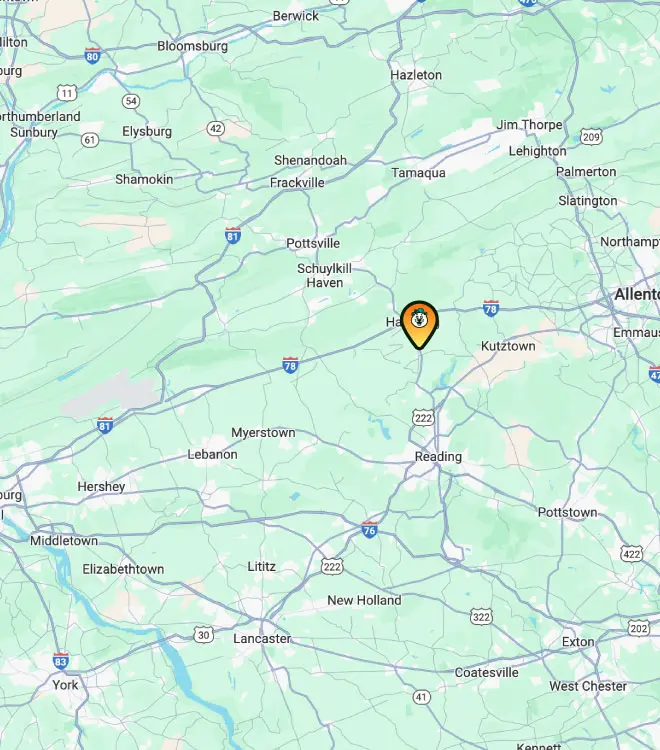
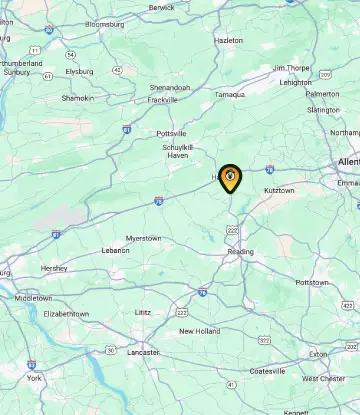
Industry averages get you in the ballpark, but the only number that matters is the one built around your house. DeLong & Sons HVAC installs and services heat pumps across Berks County and the Lehigh Valley from our shop in Shoemakersville, including nearby towns like Emmaus and Sinking Spring. Call before 6 PM on a weekday for same-day service, and after-hours emergency service is available for an additional fee. Reach us at 484-638-2837 for a load calculation and upfront pricing.
DeLong & Sons HVAC
403 Franklin St, Shoemakersville, PA 19555
Monday - Friday, 7 AM - 6 PM
Phone: 484-638-2837
Contact UsLet Our Family Take Care of Your Family! We have over 15 years of experience serving our neighbors in Shoemakersville and Berks County Pennsylvania. We also serve communities across Berks, Lebanon, and Lehigh Counties, including:

© Red Barn Media Group 2026